

15 Ways Yoga Balance Can Transform Your Practice
Yoga balance is more than just holding a steady pose; it's about harmonizing your mind and body. In this post, we'll explore how improving balance can elevate your overall practice and enhance your connection to self. Join us as we unveil fifteen transformative ways yoga balance can enrich your journey.
1. Cultivating Mindfulness Through Balance
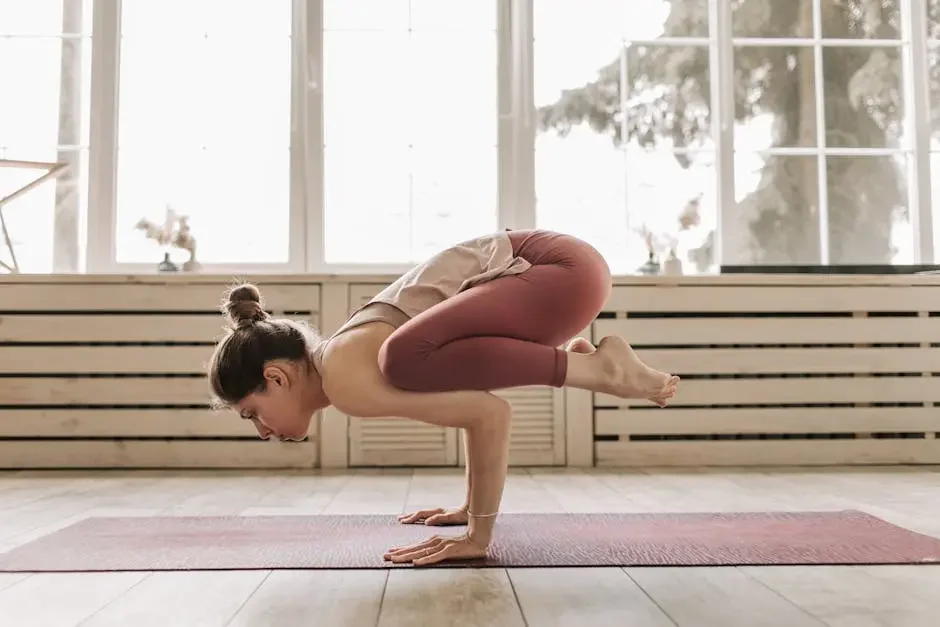
Practicing balance poses helps you focus on the present moment, fostering mindfulness that extends beyond the mat. Balancing requires you to tune into your breath and body, creating an internal environment that promotes awareness. As you become more attuned to how each movement influences your stability, you begin to develop a heightened sense of clarity—not just in your yoga practice, but in every aspect of life.
Moreover, the act of finding your center amidst distraction cultivates a mental resilience, a skill that is transferable to daily scenarios. When you step off the mat feeling grounded and present, you can navigate challenges with a newfound sense of calm and composure. This is the beauty of yoga balance—it’s not just about mastering a pose; it’s about cultivating peace in a chaotic world.
2. Strengthening Core Stability
Many balance poses require core engagement, which contributes to overall strength and stability, improving your entire practice. Think about poses like Tree Pose or Warrior III; they demand a strong core to maintain your structure. Building this foundational strength not only enhances your balance on the mat but also transfers to daily life, allowing for better posture and reduced risk of injury.
Beyond physical strength, cultivating core stability fosters a sense of inner support. As you strengthen your core, you may notice an increase in self-assurance and confidence. Feeling strong in your body translates into feeling strong in your mind, and together they create a solid foundation for growth. This combination of physical and mental strength amplifies your yoga journey, leading to more fulfilling practice.
3. Improving Focus and Concentration
Balance challenges you to maintain focus, sharpening your concentration skills which can enhance performance in other areas of life. When you work on poses that require steadiness, you train your mind to eliminate distractions and hone in on one singular intention. It's like meditation in motion—where the act of balancing pulls you into a deeper state of presence, enabling clarity of thought.
With regular practice, you’ll discover how this newfound focus can bleed into other facets of your life. Be it work-related tasks or personal projects, you’ll find it easier to maintain attention for longer periods. The ability to concentrate effectively can lead to improved productivity, creativity, and even relationships, as you start to engage more fully with those around you.
4. Enhancing Flexibility and Range of Motion
As you work on balancing, you also increase flexibility, allowing for deeper, more expansive movements. Balancing poses often stretch and strengthen various muscle groups, encouraging them to elongate. This is especially true in postures like Half Moon or Extended Side Angle, where different areas of your body work together harmoniously.
The relationship between balance and flexibility is symbiotic—improved balance allows you to safely explore your edges, while increased flexibility provides the freedom needed for those challenging poses. You’ll notice that with time and practice, your ability to twist, move, and extend increases dramatically. With this transformation, you invite a greater ease of movement into your daily life, paving the way for more spontaneity and joy.
5. Building Confidence and Self-Esteem
Mastering a challenging balance pose can boost your confidence, reminding you of your strength and capabilities. Each time you hold a tricky posture like a Tree Pose or Crow Pose, it’s a small victory that builds on your sense of self. As you achieve each new level of balance, the confidence you gain ripples into other aspects of your life.
This empowerment doesn’t just stay within the confines of your practice; it can inspire you to take on new challenges outside of yoga. Whether it’s trying out a new fitness class, tackling a project at work, or stepping out of your comfort zone socially, the lessons learned from finding balance can ignite a sense of adventure in you. This newfound courage to embrace challenges can be life-changing.
6. Creating a Sense of Calm
Balancing poses often require deep breathing, helping to calm the nervous system and reduce stress. The focus required to master these poses naturally draws your attention inward, allowing you to tune out external noise. With each balanced breath, you learn to embrace stillness, which is invaluable in today’s fast-paced world.
This tranquility is not just experienced on the mat but can carry over into your daily life. You may find an increased ability to handle stressful situations with grace and clarity. By regularly practicing this calmness, you create a buffer against stressors, leading to a more peaceful existence. When you cultivate this inner calm through balance, you emerge more resilient against life’s unpredictable challenges.
7. Encouraging Patience and Persistence
Learning balance takes time and practice, teaching valuable lessons in patience and determination. Each stumble in a pose is an opportunity to understand your body better, cultivating a mindset that values resilience. This journey of persistence embodies the essence of yoga and allows for growth, reminding you that progress isn’t always linear.
As you navigate through your balance practice, you develop a stronger relationship with the learning process itself. This shift in perspective can influence your approach to challenges off the mat as well. Rather than feeling defeated by obstacles, you learn that every stumble is simply a stepping stone towards mastery—both in yoga and in life.
8. Fostering Body Awareness
Balance poses heighten your awareness of body alignment and movement, promoting a better understanding of your physical self. When you focus on balancing, you begin to recognize subtle shifts in your weight and posture that might go unnoticed otherwise. This heightened awareness not only enhances your practice but also allows you to identify areas of tension or discomfort.
Such awareness can empower you to make conscious choices about how you move throughout the day, leading to improved alignment and reduced risk of injury. By tuning in to your body, you learn to listen to its cues more adeptly, creating a more harmonious relationship with it. Ultimately, the practice of balance fosters not just physical awareness, but also a deeper connection with yourself in a holistic sense.
9. Developing Coordination and Agility
As you practice, you'll notice improvements in coordination, which can enhance performance in various physical activities. Balance poses require you to develop spatial awareness and engage multiple muscle groups simultaneously, conditioning your body to move fluidly. This enhanced coordination doesn't exist in a vacuum; it seeps into your daily movements, allowing you to navigate through life with greater ease.
Moreover, improved agility offers the benefit of injury prevention. By becoming more aware of how your body moves, you reduce the risk of unexpected falls or strains during both exercise and routine activities. This newfound ability to respond swiftly and effectively can lead to a more active lifestyle, filled with opportunities for exploration and joy.
10. Promoting Better Posture
Balance work often translates into improved posture, reducing tension and discomfort in everyday life. As you cultivate awareness of how your body occupies space during balancing postures, you begin to make adjustments that carry over into sitting, standing, and moving. Better posture doesn’t just enhance appearance; it also promotes healthier alignment, aiding in circulation and overall well-being.
Recognizing the way your body interacts with gravity leads to a more conscientious approach to posture, allowing you to develop habits that support longevity. Think about the consistent strain on your back from long hours in a chair; improved posture can alleviate this issue significantly. Ultimately, the benefits of balance create a ripple effect, enhancing your comfort and effectiveness throughout your day.
11. Creating Connection with Breath
Balancing encourages you to synchronize movement with breath, deepening your practice and enhancing relaxation. The rhythmic nature of breathing can work wonders in creating stability and calmness. As you learn to move in harmony with your breath, you cultivate a deeper connection to both your body and mind, transforming your journey into a meditative experience.
This synergy between breath and movement teaches you the importance of pause, allowing you to savor each moment rather than rushing through poses. The ability to connect breath with balance not only transforms your practice but also enriches your daily experiences. This simple technique can be applied throughout your day, guiding you to navigate life with ease and mindfulness.
12. Enhancing Social Connections
Practicing balance in group settings can foster community and support, making your yoga journey more enjoyable. Whether in a class full of fellow enthusiasts or in a casual group at the park, sharing the challenges and triumphs of balance poses brings people together. These social interactions create a sense of belonging and wisdom-sharing that enhances personal growth.
The connections formed during such practices can lead to lasting friendships and support networks that extend well beyond the yoga mat. Together, you celebrate successes, support each other through frustrations, and build a foundation of mutual encouragement. As each person's unique journey unfolds, you can view the myriad ways in which balance influences not only practice but life as a whole.
13. Advancing Your Yoga Practice
Improved balance opens the door to more advanced poses, allowing you to explore deeper levels of your practice. As you cultivate stability, you gain the confidence to attempt inversions or complex postures that once felt out of reach. This advancement is thrilling, as it signifies growth and evolution in your yoga journey.
Moreover, each new pose brings with it fresh insights and challenges, propelling you toward greater mastery of the art of yoga. Embracing the journey of advancement emphasizes the beauty of learning at your own pace. Ultimately, each balanced moment lays the groundwork for exploring your physical and spiritual potential.
14. Transforming Daily Life
The benefits of better balance extend into your daily routine, enhancing your stability and overall well-being. With improved balance comes greater security in your movements, especially in tasks that require agility and coordination. By bringing yoga balance principles into your day-to-day life, you inherently reduce the risk of falls and accidents.
Additionally, this balance fosters a greater sense of ease in navigating life’s challenges. When you encounter stressors or unexpected difficulties, the skills honed on the mat translate to a steadiness in your emotional responses. The practice of balance teaches you to remain grounded, regardless of the chaos around you, ultimately transforming how you experience life.
15. Nurturing a Growth Mindset
Balancing in yoga fosters a mindset that embraces challenges and learning opportunities, fueling personal growth. When faced with a tricky pose, the potential for failure provides a unique opportunity for resilience. This philosophy of viewing setbacks as stepping stones allows you to engage in life from a place of curiosity, rather than fear.
By nurturing this growth mindset through balance, you empower yourself to approach life’s challenges with open arms. The very essence of yoga teaches us the importance of adaptability and perseverance, which are fundamental qualities of a growth-oriented mindset. This transformative journey not only enhances your practice but leads to a more enriching life experience.