

How the Yoga Lifestyle Can Transform Your Wellbeing
In a fast-paced world filled with distractions, embracing a yoga lifestyle offers a sanctuary for your mind, body, and spirit. This blog explores how integrating yoga into your daily routine can lead to profound transformations in your wellbeing, enhancing not only your physical health but also your mental and emotional balance.
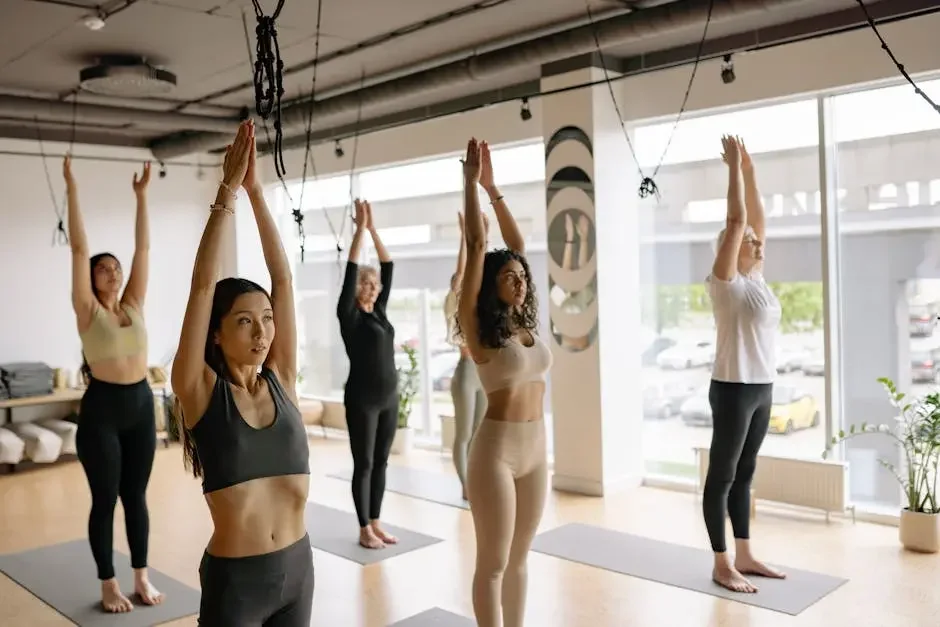
Understanding the Principles of Yoga
Yoga is more than just physical postures; it embodies a philosophy that nurtures balance and harmony. In this section, we'll explore the key principles of yoga including mindfulness, breath control, and the importance of lifestyle choices.
At its core, yoga promotes a deep connection between the mind and body. With this connection, practitioners become more aware of their thoughts, emotions, and physical sensations. This heightened awareness encourages positive lifestyle changes, such as healthier eating and regular physical activity.
Another central tenet of yoga is ahimsa, or non-violence. This principle transcends physical yoga practice and encourages a compassionate approach towards ourselves and others. In everyday life, this can manifest as kindness in our words and actions, leading to a more peaceful existence.
The Physical Benefits of a Yoga Lifestyle
Regular yoga practice can improve flexibility, strength, and posture. This section will break down these physical benefits and discuss how they lead to a healthier and more vibrant body.
Flexibility is often the first benefit that comes to mind when thinking about yoga. Engaging in varied poses expands the range of motion in your joints and muscles, making everyday movements easier. But it doesn’t stop there; enhanced flexibility can also prevent injuries and enhance athletic performance.
Beyond flexibility, strength is another key benefit that yoga provides. Many poses require you to support your body weight in different ways, challenging various muscle groups. As you build strength through yoga, you not only enhance your physical capabilities but also improve your overall endurance.
Lastly, let’s talk about posture. In an age where we’re hunched over screens, practicing yoga can correct imbalances in your body caused by improper posture. It teaches you how to align your body correctly, resulting in less strain on your spine and a reduced risk of chronic pain.
Nurturing Mental Clarity Through Mindfulness
Mindfulness is a crucial aspect of the yoga lifestyle. Here, we will discuss how yoga helps clear mental clutter, reduce stress, and cultivate a greater sense of peace and clarity.
Through meditation and focused breathing, yoga creates a space where the mind can unwind. This restorative aspect of yoga is particularly beneficial in our constantly busy lives. By dedicating time to practice mindfulness, we can develop a clearer perspective on challenges we face.
Moreover, practicing mindfulness in a yoga setting encourages a state of present awareness. Being in the moment helps to reduce anxiety and encourages self-acceptance. It invites you to observe your thoughts without judgment, fostering a sense of tranquillity that can easily extend beyond the mat.
Emotional Healing: The Therapeutic Effects of Yoga
Yoga offers tools for emotional regulation and healing. This section will delve into how practices such as meditation and breathwork can foster emotional resilience.
Engaging in yoga creates a safe space to explore and process emotions. By connecting with your body through movement, you can unlock pent-up feelings that may have been suppressed. This release is crucial for emotional healing, allowing individuals to confront and work through issues constructively.
Breathwork, or pranayama, plays a pivotal role in managing emotions. Controlled breathing can activate your body's relaxation response, mitigating feelings of stress and anxiety. Learning these techniques equips you with tools you can use in your daily life, especially during challenging moments.
Building Community and Connection
A significant benefit of adopting a yoga lifestyle is the sense of community it fosters. This section will explore how classes, workshops, and yoga retreats can create meaningful connections with like-minded individuals.
Participating in yoga classes is more than just individual practice; it creates a shared experience with others. Being surrounded by supportive peers can motivate you to deepen your practice while encouraging a sense of belonging that is sometimes missing in our fast-paced lives.
Yoga retreats further amplify this community aspect by offering intensive experiences where you can build deeper connections with fellow practitioners. Engaging in shared practices and discussions can lead to lasting friendships that extend far beyond the yoga mat.
Integrating Yoga into Your Daily Routine
Incorporating yoga into daily life doesn’t have to be daunting. In this section, we will provide practical tips and simple routines to help you seamlessly integrate yoga into your busy lifestyle.
Start by setting aside just 10 minutes each day. This could be as simple as a few sun salutations in the morning or some gentle stretches before bed. The key is consistency; even short sessions can lead to significant changes over time. Aim to create a routine that feels organic to you.
Consider integrating mindfulness throughout your day. This could mean taking a few deep breaths before starting your work or practicing gratitude during lunch. These moments of mindfulness can enrich your daily interactions and enhance your overall sense of wellbeing.
Wrap-Up: Embracing the Yoga Lifestyle for a Healthier You
Adopting a yoga lifestyle is more than just a practice; it's a holistic approach to living well. By nurturing your body through movement, your mind through mindfulness, and your spirit through community, you can experience a remarkable transformation in overall wellbeing. So, roll out your mat, breathe deeply, and watch your life blossom.