

What Yoga Fundamentals Should I Practice at Home?
Practicing yoga at home can be a rewarding experience, allowing you to cultivate mindfulness, flexibility, and strength in a comfortable environment. But with so many poses and techniques available, it can be overwhelming to decide where to start. This guide will outline key yoga fundamentals that you can easily practice at home, ensuring that your yoga journey is both fulfilling and enjoyable.
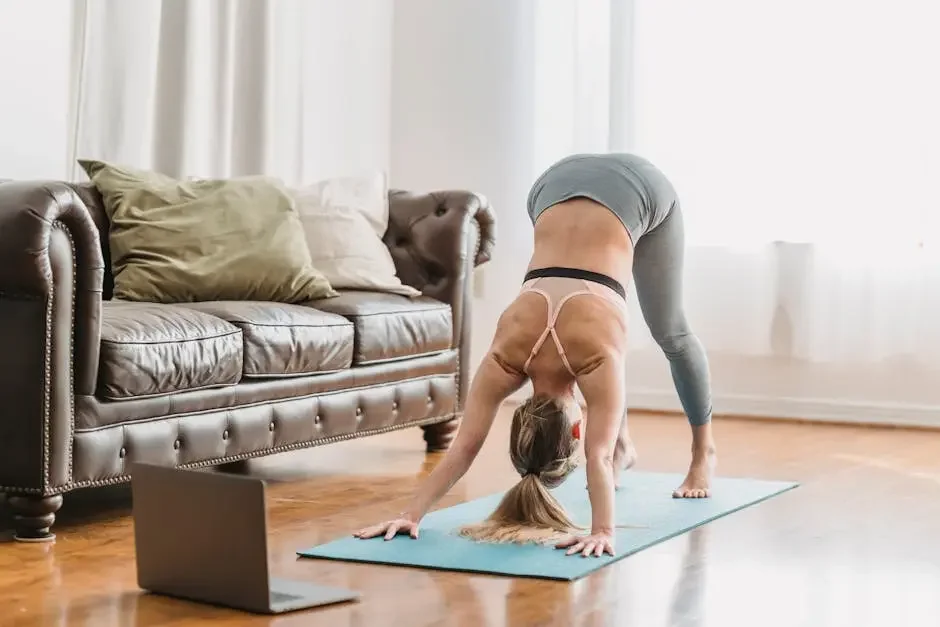
Understand Basic Yoga Postures
Familiarize yourself with foundational poses like Downward Dog, Child's Pose, and Warrior I. These postures are essential for building strength and flexibility.
Take your time with these poses; each one is a building block for your yoga practice. Pay attention to your alignment, as proper form boosts the benefits you gain from each stretch.
Additionally, consider incorporating poses like Mountain Pose and Tree Pose. These not only enhance your balance but also instill a sense of grounding, which is important in yoga.
With each session, revisit these postures and notice how your body changes. Progress isn't just about acquiring skills; it’s about understanding your body's unique rhythms.
Focus on Breathing Techniques
Learn to control your breath with techniques such as Ujjayi breathing. Proper breathwork enhances your practice and helps promote relaxation.
Breathing is your anchor in yoga. By synchronizing breath with movement, you create a harmonious flow that deepens your connection to each pose.
Experiment with different breathing patterns throughout your practice. For example, try inhaling deeply during expansive poses and exhaling during more challenging stretches.
Don't underestimate the power of breath. It can transform a stressful day into a peaceful one, allowing you to center your mind and rejuvenate your spirit.
Establish a Consistent Routine
>Set aside specific times during the week for your practice. Consistency is key to progress and accountability.
Consider starting with short sessions, perhaps just 15-20 minutes daily. As you grow more comfortable, gradually increase the duration to explore deeper levels of practice.
Creating a schedule also helps you commit to your journey. Think of it as an essential meeting with yourself that you wouldn't want to miss.
Moreover, consistency fosters a sense of discipline, transforming your yoga into a cherished ritual that supports your mental and physical health.
Create a Comfortable Space
Designate a quiet area in your home where you can practice without distractions. Make sure it's inviting, perhaps with candles or calming music.
Your practice space should resonate with peace. Consider adding personal touches, like plants, crystals, or photos that inspire you to connect more deeply with your practice.
Lighting can also play a significant role. Soft, natural light can create a serene environment, while dim lights may enhance a meditative atmosphere.
Furthermore, ensure you have the necessary props like mats, blocks, or straps ready. Having these items at hand makes your practice more accessible and enjoyable.
Incorporate Mindfulness and Meditation
Include short meditation sessions before and after your practice. This helps cultivate a sense of peace and focus in your yoga routine.
Mindfulness is about being present in the moment. During your practice, pay attention to how your body feels and acknowledge your thoughts without judgment.
Incorporating mindfulness transforms your yoga into a holistic experience that extends beyond physical postures, engaging your mind and spirit.
Even just five minutes of focused breathing or quiet reflection can set a positive tone for your practice and enhance your overall well-being.
Listen to Your Body
Always pay attention to how your body feels during each pose and modify as necessary. Yoga is a personal journey; honor your limits.
It's crucial to recognize the difference between discomfort and pain. While challenging yourself can be beneficial, pushing through pain can lead to injury.
Utilize props or alters in your poses to suit your comfort level. Yoga is not about perfection but about self-acceptance and growth.
Every practice is an opportunity to learn more about your body. By listening and adapting, you create a safer and more enriching experience.
Embrace Your Home Practice
By incorporating these yoga fundamentals into your home practice, you'll be well on your way to improving your physical and mental well-being. Remember, the beauty of yoga lies in its adaptability; feel free to modify these practices to suit your needs and skill level. Happy practicing!